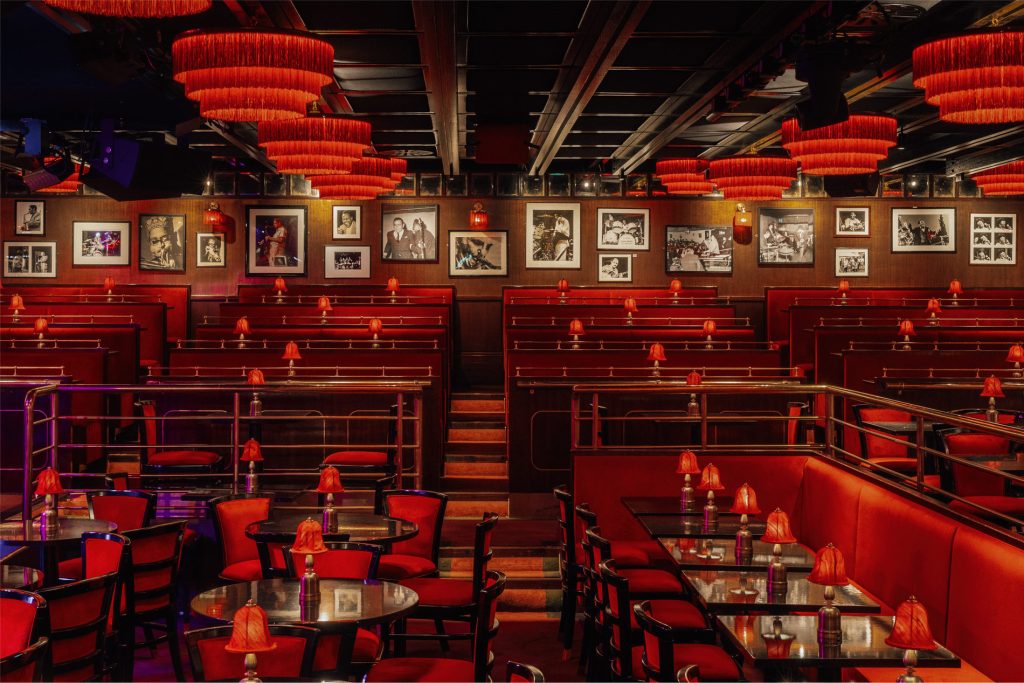


Soho has a new kind of evening room worth making an excuse for. The upstairs space at Ronnie Scott’s Jazz Club — the legendary London institution that has hosted generational jazz icons since 1959, has been fundamentally rethought and rebuilt for the first time in decades. What was once a modest, tucked-away jam room has been re-imagined as a purpose-designed performance destination, balancing heritage with refinement and audience intimacy with technical precision.
Architecture and Interiors: Refined Purpose Meets Live Music
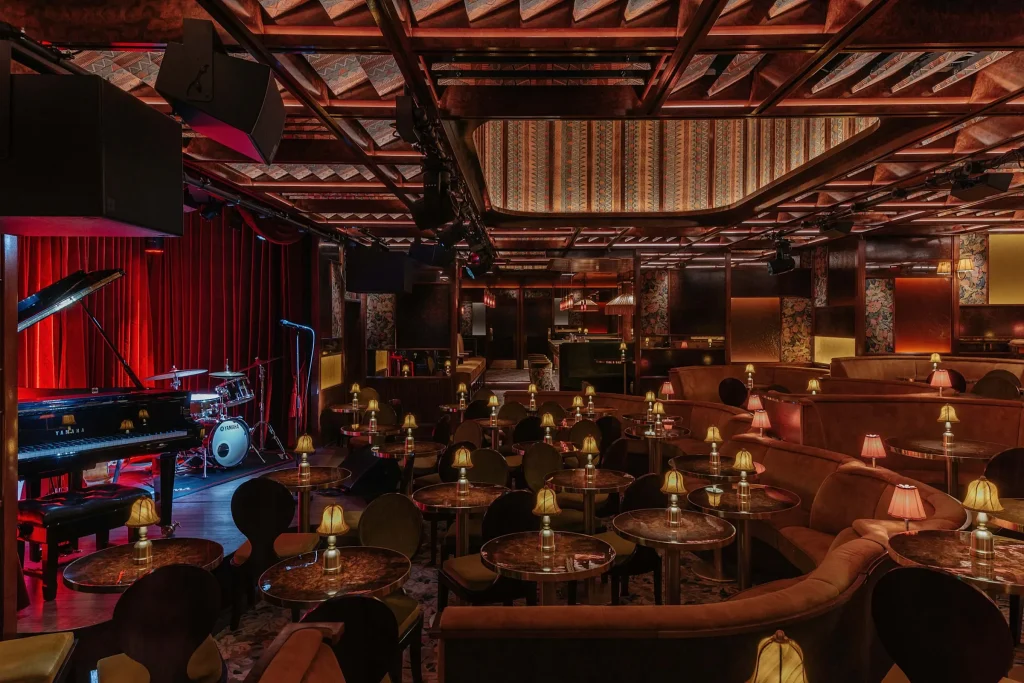
The architectural studio Archer Humphryes led the transformation, bringing an interior language that feels both grounded and expansive. Where the previous upstairs room was awkwardly shaped and perfunctory, the new layout clears circulation paths, frames sightlines and prioritises sound performance as much as spatial experience.
Seating is tiered, arranged cabaret-style, so every guest feels visually and acoustically connected to the stage. The design acknowledges the room’s dual life: natural light by day, and moody, theatre-ready darkness by night, with overhead panels that seamlessly shift the ambience without distraction. Seen from the street, the transformation may feel like a renovation; inside, it feels like a complete re-sculpting of space.
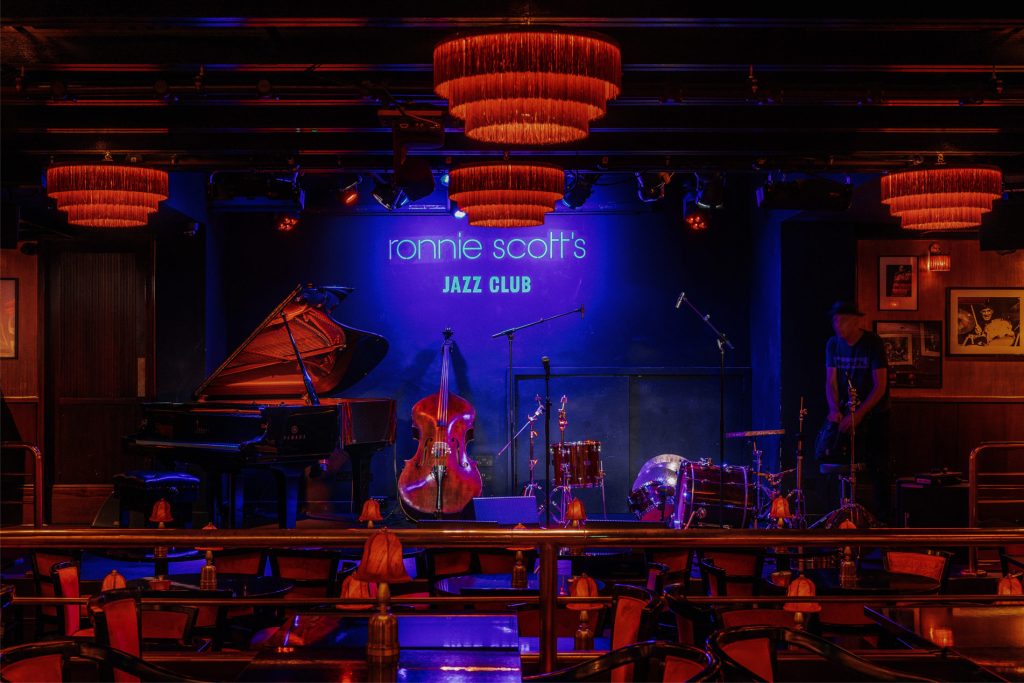
Materials were chosen with both performance and longevity in mind: upholstered banquettes and soft surfaces absorb unwelcome reverberation, while reflective elements and carefully considered surfaces preserve clarity so that every chord, every nuance, carries right through to the back row. A Yamaha S3X grand piano anchors the stage, while a calibrated d&b audio system ensures sound coverage that’s articulate from first seat to last.

Design That Respects a Legacy
What Archer Humphryes has done is not interior decoration but architectural curatorship. The language here understands that this isn’t simply a bar or lounge; it’s a performance architecture. The proportions, angles and finishes subtly serve the musicians on stage as much as they serve the people in the room. The vaulted ceiling and warm palette of velvets and earthy hues frame the performance without ever begging for attention.
There’s a sense of warmth and welcome that doesn’t rely on gimmicks. Rustic lamps, antique mirrors and well-scaled joinery by high-end craftsmen like Tekne (as seen in other recent coverage) give the space a craftsmanship that feels intentional and lasting, not trendy.

Beyond the Stage: A New Rhythm for Soho
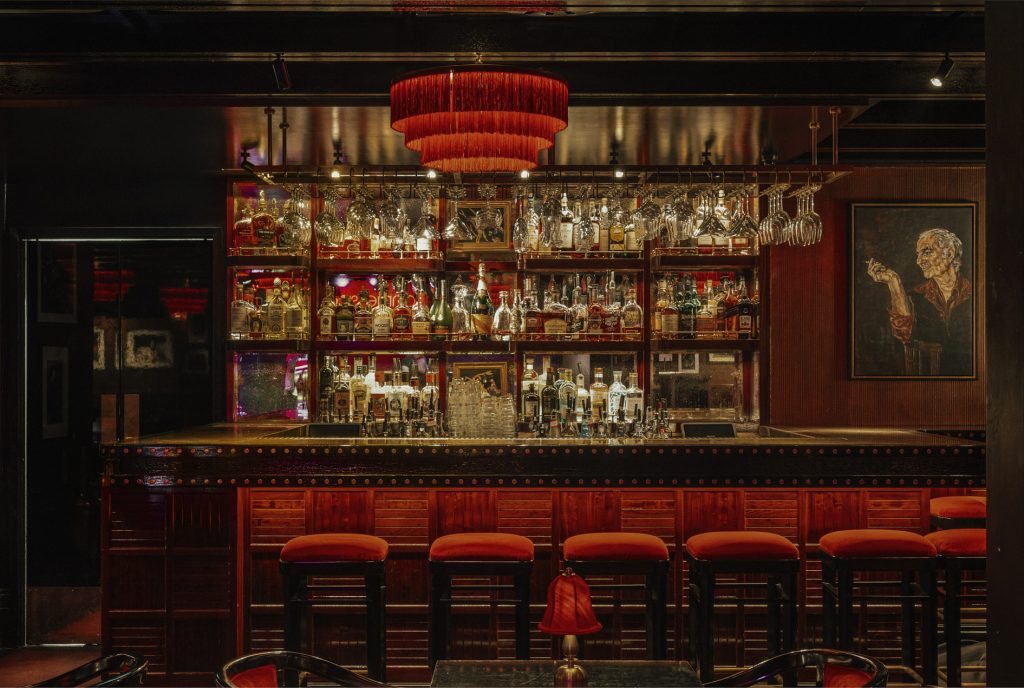
Architectural care extends beyond the seating bowl. A new dedicated kitchen and marble bar establish Upstairs at Ronnie’s as a destination before and after the set; diners can settle in for herb-crusted salmon or steak tartare before the music begins, then linger over drinks long after.
Later this year, the building’s upper floors will add another layer with The Greene Rooms — a members’ and artists’ lounge designed to feel like a private club within a club, a backstage haven with its own identity and access directly from the performance space.
Why This Matters
What feels so striking about the Upstairs at Ronnie’s project isn’t only that it’s beautiful. It’s that it transforms a historic cultural institution in a way that deepens its relevance and sense of purpose. In an era when small venues are under pressure and jazz clubs everywhere are fighting to survive, this project shows what investment in thoughtful, performance-driven design can achieve.
Design and architecture have made the venue one of the most compelling new live-music spaces in the world, a place where musicians and audiences alike can feel the texture of every note, and where Soho’s nightlife gains a space that feels as crafted and considered as the music itself. Bill Tikos